
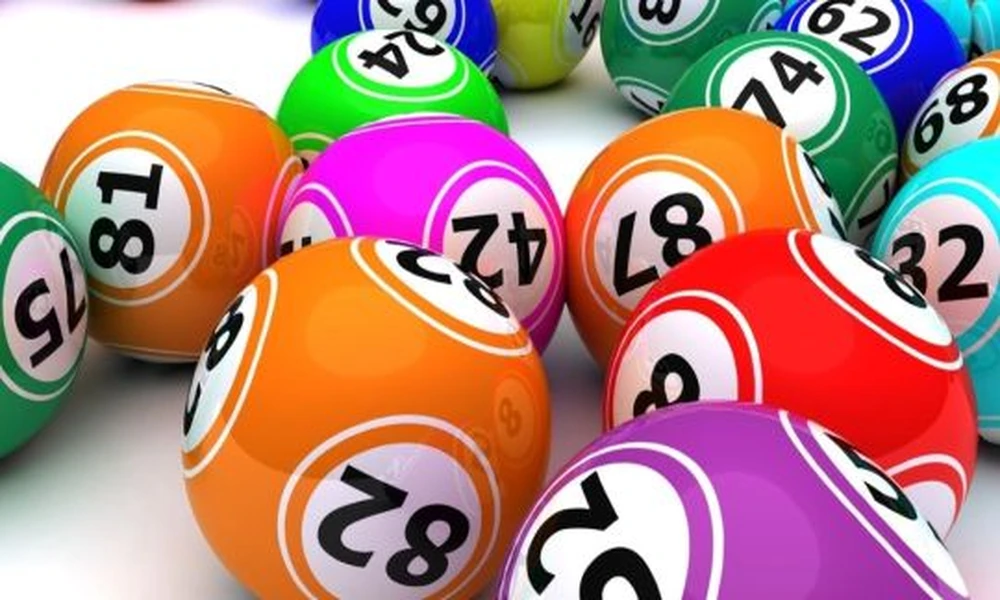
Lottery outcomes depend on probability, not patterns or personal predictions. Understanding random selection helps players assess odds and avoid unrealistic expectations. A เว็บหวยลาว can provide draw schedules, published results, and game details for informed participation. However, each valid combination follows the rules of its specific lottery. Learning basic probability, independence, and prize structures helps beginners interpret outcomes without assuming past results predict future numbers.
Probability Depends on Game Rules
Every lottery format has distinct winning conditions. A game requiring three matching digits differs from one demanding six numbers. More possible combinations mean lower jackpot odds for individual entries. Therefore, beginners should examine the number range and matching requirements before participating. Understanding these rules prevents misleading comparisons between games.
What Makes Draws Independent Events?
Each fair draw operates independently of previous outcomes. If number seven appeared repeatedly, its next appearance remains governed by the same rules. Historical records cannot make a number overdue or guarantee another appearance. Past results describe previous events, not future outcomes. This distinction separates mathematical probability from common gambling myths.
Reading Odds Before Choosing Numbers
Odds express the likelihood of a particular result. For example, a one in ten chance represents a ten percent probability. However, a one in one thousand chance represents just 0.1 percent. Before using a เว็บหวยลาว, beginners should check published game rules and verify the stated odds. Such information helps establish realistic expectations before participating.
Which Number Patterns Mislead Beginners?
Familiar sequences can seem more predictable than random combinations. Yet, in a fair draw, every valid combination has equal probability.
- Consecutive numbers remain possible outcomes.
- Repeated digits carry no automatic advantage.
- Previous winners cannot guarantee future success.
- Personal lucky numbers receive no mathematical preference.
A balanced looking selection has no inherent advantage over an unusual sequence.
Can Additional Tickets Change Winning Chances?
Purchasing distinct entries increases the chance of matching a winning combination. However, the overall probability may remain extremely small. Consider a game with 1,000 equally likely outcomes. One entry gives a one in 1,000 chance, while ten distinct entries give a one in 100 chance. This example assumes equal odds and no duplicate selections.
Understanding Chance Beyond Lottery Results
Probability offers a useful lesson about uncertainty. Even a carefully calculated chance cannot guarantee an individual result. A previous sequence of losses does not make success inevitable. Beginners benefit from treating lottery participation as paid entertainment rather than income generation. Setting a firm spending limit protects essential expenses when results disappoint.
FAQs
1. Can past lottery results predict future numbers?
No. Independent draws do not depend on previous results. Historical records cannot reliably identify the next winning combination.
2. Does choosing lucky numbers improve winning chances?
No. Every valid combination has equal probability in a fair draw. Personal preferences do not change mathematical odds.
3. Do additional tickets guarantee a prize?
No. Distinct entries can increase the chance of winning. However, no purchase guarantees a successful result.
4. What should beginners check before playing?
Review the official rules, winning odds, and prize conditions. Set a spending limit and verify results through reliable channels.